Troubleshooting · beginner · 4 min read
Why Your Coffee Tastes Sour (and the Simple Under-Extraction Fixes)
Sharp, sour coffee almost always means under-extraction: grind too coarse, water too cool, or contact time too short. Three quick checks fix it, plus how to tell sourness from a lively light roast.
By The Daily Pour Editorial · Reviewed by Editorial Review · Updated 2026-07-21
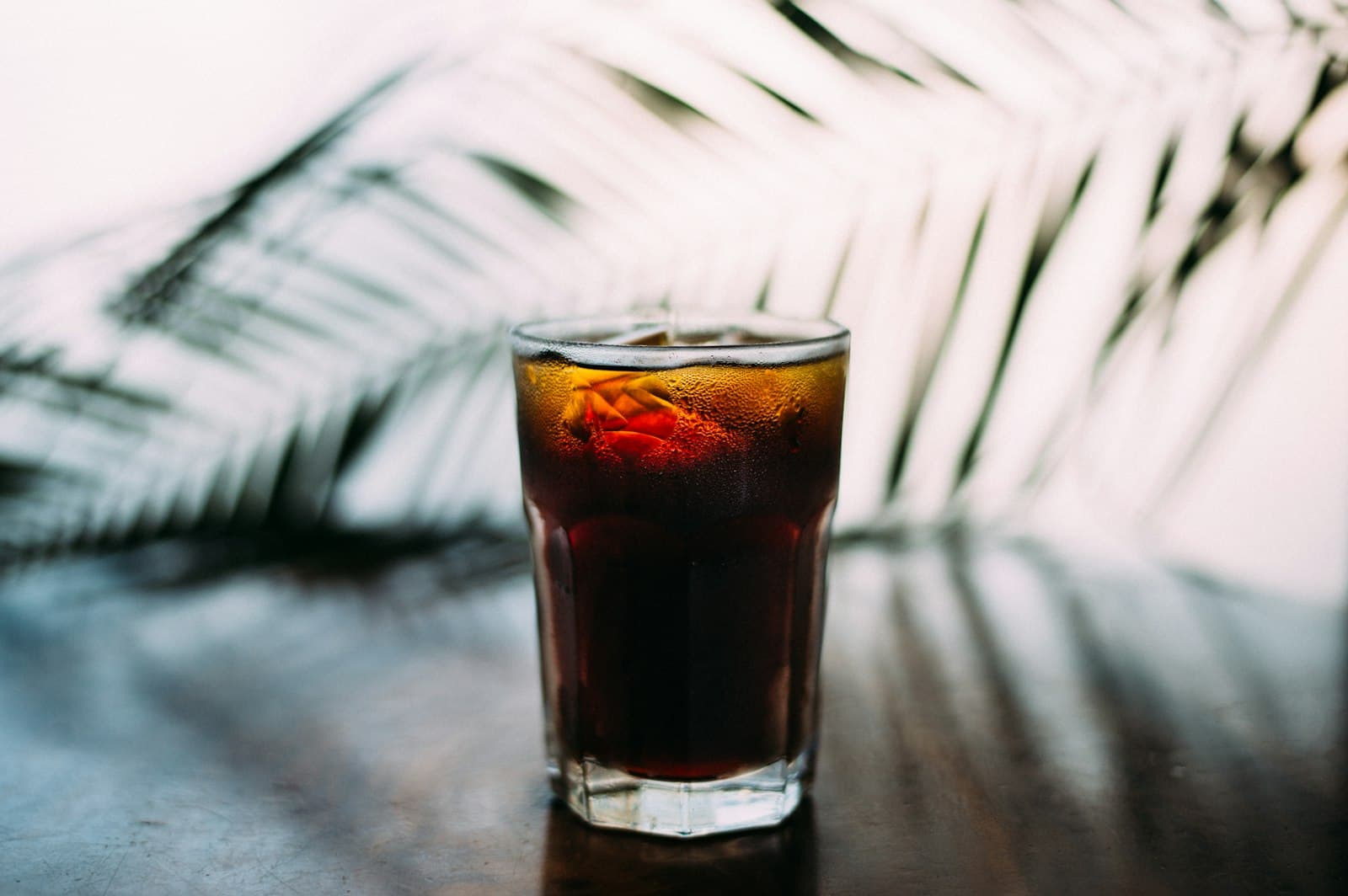
Sour coffee is the mirror image of bitter coffee. Water dissolves coffee's flavors in a rough order (sharp acids first, then sweetness, then bitterness), so a sour, puckering cup means the water stopped too early, before the sweetness arrived. That's under-extraction, and like its bitter twin it has three usual suspects: grind, heat, and time.
Run the three checks in order
Diagnose your sourness
Check the grind
If your grounds feel like rough sea salt in a dripper or drip machine, water is racing past them. Go one or two steps finer and taste again tomorrow. For filter methods, aim for something closer to granulated sugar.
Check the temperature
A kettle that boiled five minutes ago has drifted well below brewing range, and cool water extracts acids but never reaches the sweetness. Brew at roughly 90–96°C; for most roasts, that's water rested only 30–45 seconds off the boil.
Check time and dose
A pour-over that drains in under two minutes, or a press plunged at ninety seconds, hasn't given the water time to finish its work. Slow the brew down, hold the press to four minutes, and weigh a proper 1:16 dose so the ratio isn't fighting you too.
The clock is your best witness. For a single mug of pour-over or drip, total brew time near three minutes is healthy. A brew that finishes far faster almost guarantees a sour cup, and grinding finer is the fix that slows it down. Adjust one variable at a time and two or three brews will walk you out of sour territory.
When sour is actually the beans, not the brew
Two benign causes are worth ruling out. Beans roasted only a day or two ago are still releasing carbon dioxide, which disrupts extraction and can read as sharp. Give a very fresh bag four to seven days of rest and the edge usually softens on its own. And light roasts are naturally brighter and more acidic than dark ones; that liveliness is a feature, not a fault. The line to watch: pleasant acidity tastes juicy, like ripe fruit, while true sourness is sharp, hollow, and makes you wince. If the cup is bright and sweet, you're done. If it's sharp and thin, keep adjusting.
Keep reading
Troubleshooting · beginner · 4 min
Why Your Coffee Tastes Bitter (and the 10-Minute Fixes)
Bitterness almost always means over-extraction: grind too fine, water too hot, or coffee steeping too long. Three quick checks find your culprit, and tomorrow's cup gets better for free.
Coffee science · beginner · 5 min
Why Grind Size Changes Coffee Flavor More Than Anything Else
Grind size controls how fast water pulls flavor out of coffee. Too fine goes bitter, too coarse goes sour and thin. The simple extraction logic, plus how to dial in your coffee grinder by taste.
Coffee science · intermediate · 5 min
Water Temperature and Extraction: The 90–96°C Window Explained
Too hot scorches, too cool stalls. Why 90–96°C is the best brewing temperature for most coffee, how roast level shifts it, and how to hit it without a variable-temperature kettle.