Coffee science · intermediate · 5 min read
Water Temperature and Extraction: The 90–96°C Window Explained
Too hot scorches, too cool stalls. Why the standard brewing window works, how roast level shifts it, and how to hit it reliably with or without a variable-temperature kettle.
By The Daily Pour Editorial · Reviewed by Editorial Review · Updated 2026-07-13
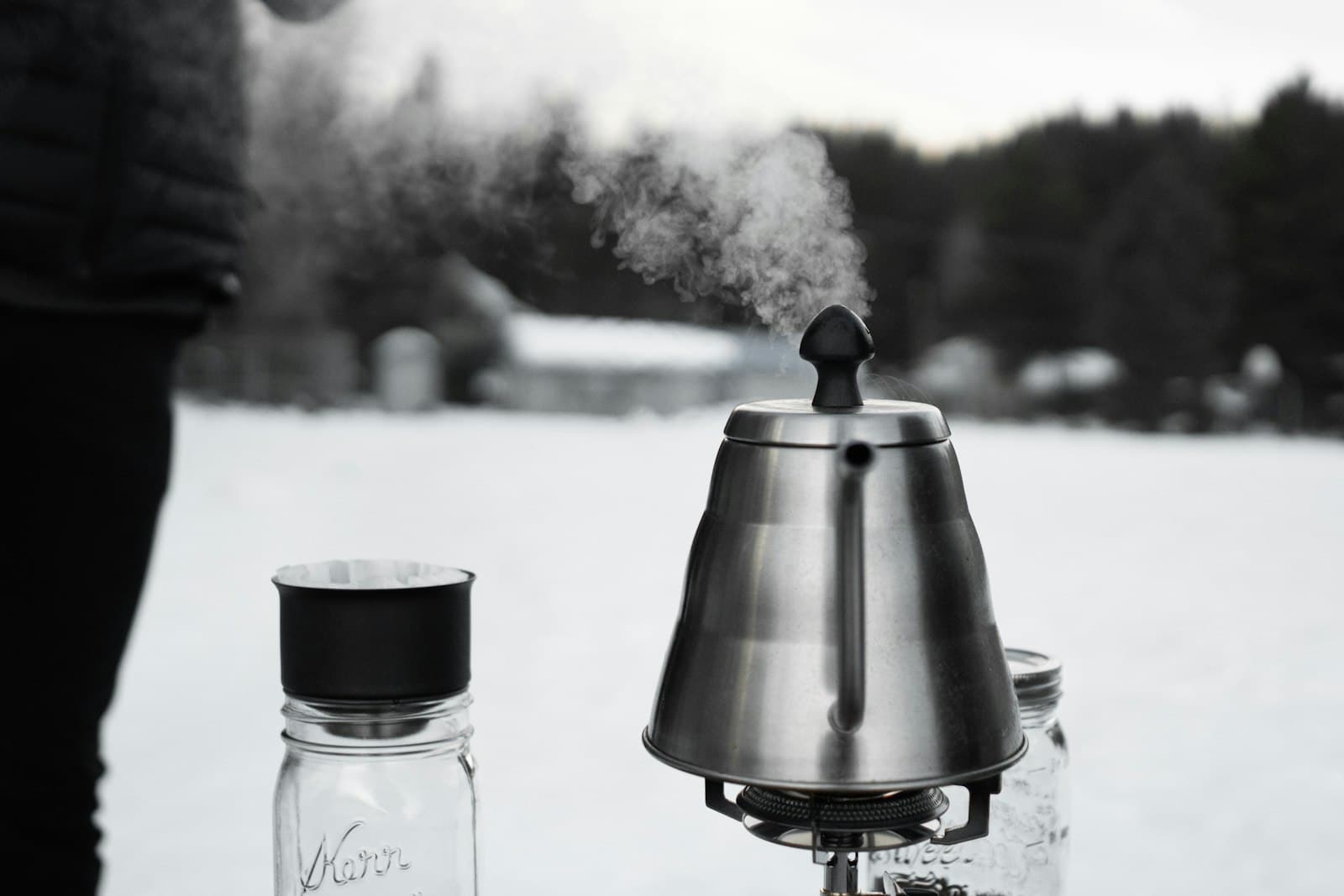
Water temperature is the throttle on extraction. Hotter water dissolves coffee compounds faster and more completely; cooler water works slower and leaves more behind. The widely used window of roughly 90–96°C (195–205°F) exists because it's hot enough to pull sweetness fully, but shy of the range where harsh, dry bitterness accelerates.
Shift the window with the roast
Roast level changes how soluble coffee is. Dark roasts are porous and give up their flavors easily, so brew them at the cool end — 90–93°C — or they tip into ash and char notes. Dense light roasts are stubborn and shine at the hot end, 94–96°C, sometimes straight off the boil. Medium roasts sit comfortably in the middle.
You don't need a thermometer to land in the window. At sea level, water off a rolling boil sits near 100°C and loses heat fast in an open kettle: about 30 seconds of rest brings it to the mid-90s, and a minute lands near 90°C. Pouring into a dry, room-temperature brewer drops it a couple more degrees — which is why preheating the brewer matters for light roasts.
| Roast | Target | Rest after boil |
|---|---|---|
| Light | 94–96°C | 0–30 seconds |
| Medium | 92–94°C | 30–45 seconds |
| Dark | 90–93°C | 45–75 seconds |
Keep reading
Troubleshooting · beginner · 4 min
Why Your Coffee Tastes Bitter (and the 10-Minute Fixes)
Bitterness almost always means over-extraction: grind too fine, water too hot, or coffee steeping too long. Diagnose which one is yours with three quick checks and fix tomorrow's cup for free.
Technique · intermediate · 5 min
Pour-Over Timing Explained: What the Bloom and 3-Minute Mark Really Do
The clock is pour-over's most misunderstood tool. What the bloom actually accomplishes, why total brew time predicts flavor, and how to read a too-fast or too-slow drawdown like a pro.
Comparison · beginner · 4 min
Stovetop vs Electric Gooseneck Kettle: Control, Convenience, and Counter Space
Both pour with precision — the electric adds exact temperature and a hold button, the stovetop adds simplicity and zero outlets. Which gooseneck belongs in your kitchen, compared honestly.