Troubleshooting · beginner · 4 min read
Why Your Coffee Tastes Bitter (and the 10-Minute Fixes)
Bitterness almost always means over-extraction: grind too fine, water too hot, or coffee steeping too long. Diagnose which one is yours with three quick checks and fix tomorrow's cup for free.
By The Daily Pour Editorial · Reviewed by Editorial Review · Updated 2026-07-09
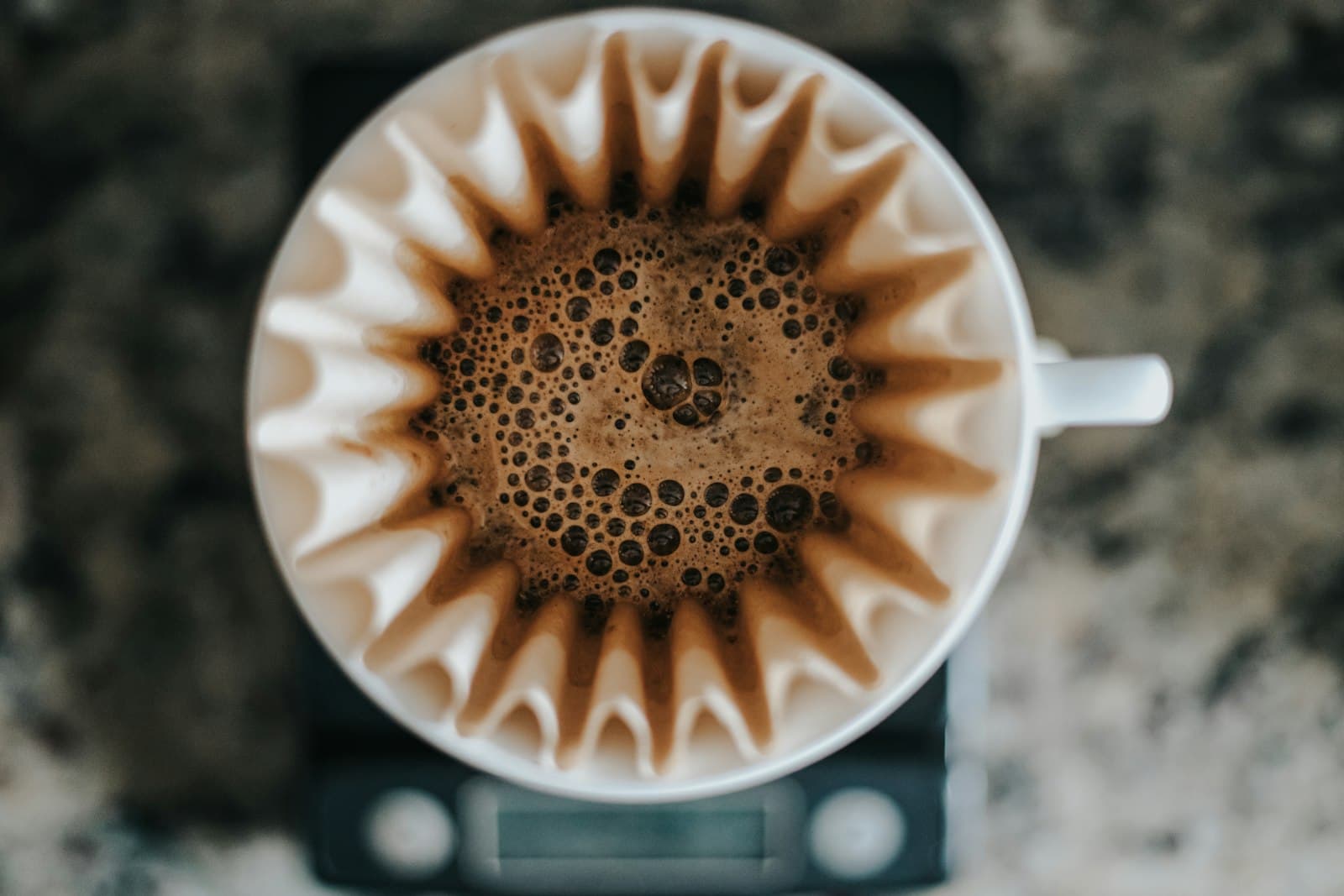
Bitter coffee is rarely the bean's fault. Bitterness is what water pulls out of coffee last, after the acids and the sweetness — so a harsh cup is usually telling you the water took too much. That's called over-extraction, and it has exactly three common causes: grind, heat, and time.
Run the three checks in order
Diagnose your bitterness
Check the grind
If your grounds feel like powder or clump together, they're too fine for filter methods. Go one or two steps coarser and taste again tomorrow.
Check the temperature
Water straight off a rolling boil scorches darker roasts. Let the kettle rest 30–45 seconds before pouring, aiming for roughly 90–96°C.
Check the time
A French press left sitting on its grounds keeps extracting long after the plunge. Pour every cup out at four minutes, or decant into a carafe.
There's also a maintenance culprit people miss: old coffee oils. Residue in a grinder, press, or drip machine's basket turns rancid and reads as bitter no matter how well you brew. If your cup went downhill slowly over weeks rather than overnight, clean the equipment before changing anything else.
Keep reading
Troubleshooting · beginner · 4 min
Why Your Coffee Tastes Weak — and How to Fix It Without Wasting Beans
Watery coffee comes from too little coffee, a grind that's too coarse, or water rushing through too fast. Here's how to tell weak from sour, and the order to fix things in.
Coffee science · beginner · 5 min
Why Grind Size Changes Coffee Flavor More Than Anything Else
Grind size controls how fast water pulls flavor out of coffee. Too fine turns bitter, too coarse turns sour and thin. Here's the simple extraction logic — and how to dial in any brewer by taste.
Coffee science · intermediate · 5 min
Water Temperature and Extraction: The 90–96°C Window Explained
Too hot scorches, too cool stalls. Why the standard brewing window works, how roast level shifts it, and how to hit it reliably with or without a variable-temperature kettle.