Coffee science · beginner · 5 min read
Why Grind Size Changes Coffee Flavor More Than Anything Else
Grind size controls how fast water pulls flavor out of coffee. Too fine turns bitter, too coarse turns sour and thin. Here's the simple extraction logic — and how to dial in any brewer by taste.
By The Daily Pour Editorial · Reviewed by Editorial Review · Updated 2026-07-12
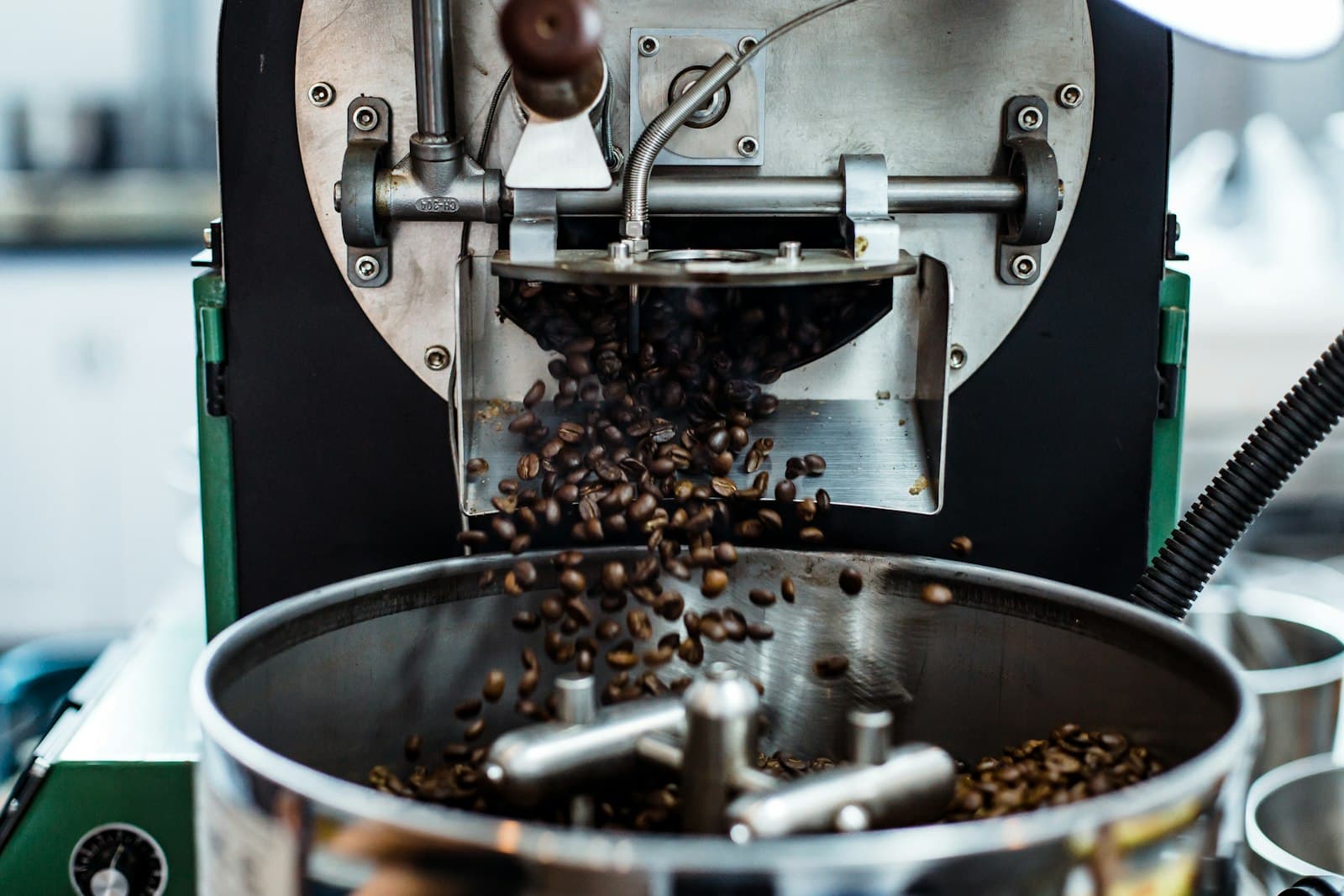
If you change only one thing about your coffee, change how it's ground. Grind size decides how much surface area the water touches and how fast it flows through, which together decide how much flavor gets extracted. That single variable explains most bitter cups, most weak cups, and most 'this bag was better last week' mysteries.
The extraction see-saw
Water dissolves coffee's flavors in a rough order: first sour and fruity acids, then sweetness, then bitter compounds. A fine grind exposes more surface and slows the flow, so water extracts further down that list — push too far and bitterness dominates. A coarse grind does the opposite: water rushes past big particles, stops early, and leaves you with sour, thin, underdeveloped coffee.
Each method has a home zone because each controls contact time differently. Espresso's seconds-long shot needs a fine grind. Pour-over's few minutes want medium. A French press steeps for four minutes or more, so it wants coarse. You're always balancing particle size against time.
| Method | Grind | Feels like |
|---|---|---|
| Espresso | Fine | Table salt, slightly powdery |
| Moka pot | Fine-medium | Finer than table salt |
| Pour-over / drip | Medium | Granulated sugar |
| French press | Coarse | Rough sea salt |
| Cold brew | Extra coarse | Cracked peppercorns |
Keep reading
Troubleshooting · beginner · 4 min
Why Your Coffee Tastes Bitter (and the 10-Minute Fixes)
Bitterness almost always means over-extraction: grind too fine, water too hot, or coffee steeping too long. Diagnose which one is yours with three quick checks and fix tomorrow's cup for free.
Troubleshooting · beginner · 4 min
Why Your Coffee Tastes Weak — and How to Fix It Without Wasting Beans
Watery coffee comes from too little coffee, a grind that's too coarse, or water rushing through too fast. Here's how to tell weak from sour, and the order to fix things in.
Comparison · beginner · 5 min
Hand vs Electric Burr Grinder: Effort, Space, and Daily Reality
Both beat any blade grinder — the real question is your daily cup count and counter space. How the two compare on effort, noise, capacity, and consistency, and which one each kitchen should pick.