Comparison · beginner · 4 min read
Stovetop vs Electric Gooseneck Kettle: Control, Convenience, and Counter Space
Both pour with precision — the electric adds exact temperature and a hold button, the stovetop adds simplicity and zero outlets. Which gooseneck belongs in your kitchen, compared honestly.
By The Daily Pour Editorial · Reviewed by Editorial Review · Updated 2026-07-14
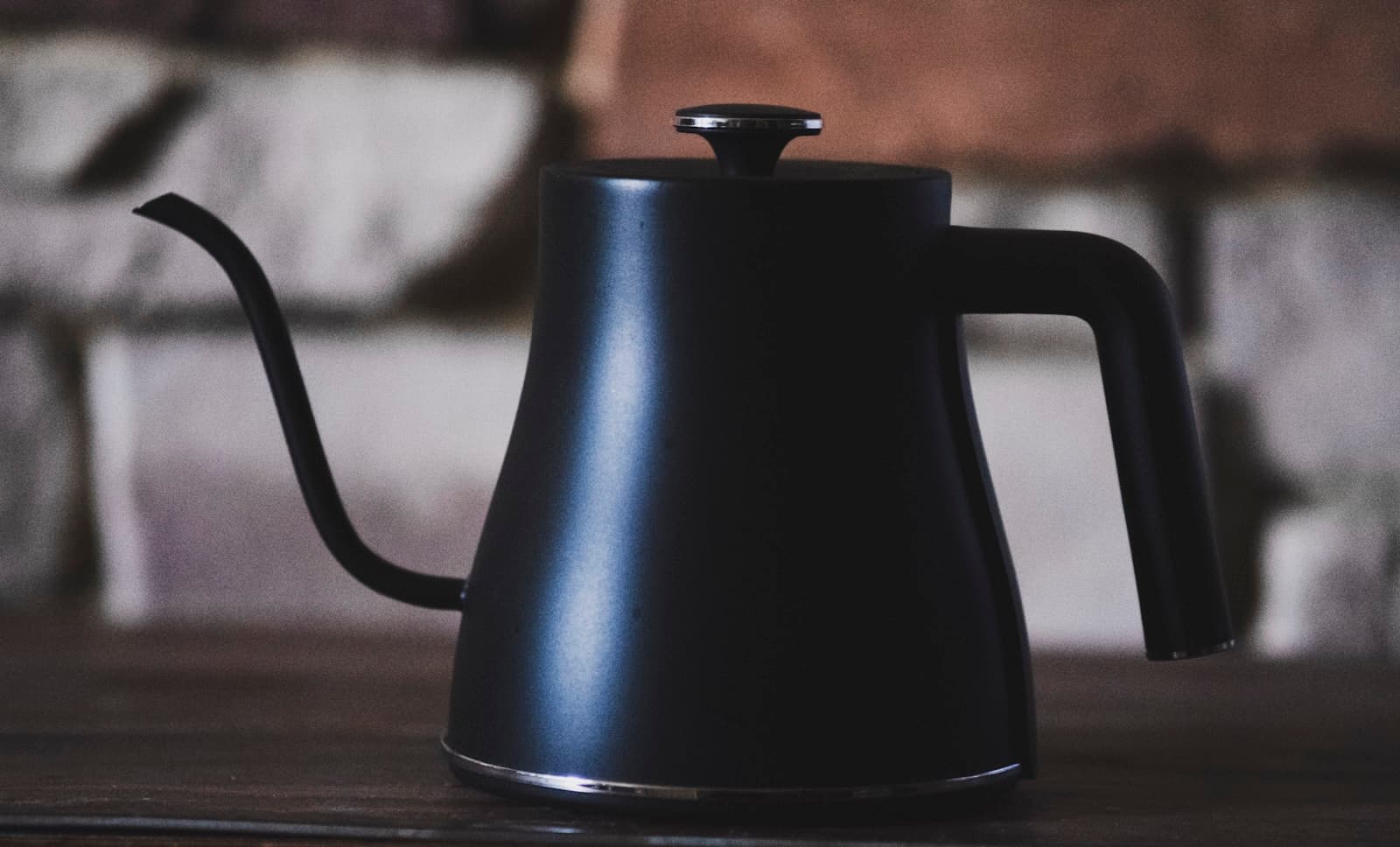
The gooseneck spout is the point of both kettles: a thin, controllable stream that lets you put water exactly where you want it, at exactly the pace pour-over rewards. Past the spout, the two diverge into different philosophies — one is a simple vessel you heat, the other a small appliance that manages temperature for you.
What the electric buys you
Set 93°C and the electric hits it and holds it — no thermometer, no counting rest seconds after the boil, and a real advantage if you drink light roasts, brew several cups back to back, or share the kettle with a tea drinker. The stovetop version answers with simplicity: nothing to break, no cord, no claimed outlet, works on gas and induction alike, and after boiling, a 30–45 second rest lands it in the brewing window anyway.
| Stovetop gooseneck | Electric gooseneck | |
|---|---|---|
| Cup character | Same — the pour is what matters | Same, easier at light-roast temps |
| Temperature control | Rest-after-boil timing | Set-and-hold to the degree |
| Capacity | About 1 L | About 0.9 L |
| Counter space | None — lives on the stove | Base stays plugged in on the counter |
| Cleanup | Rinse and descale occasionally | Rinse and descale occasionally |
| Experience level | Beginner | Beginner |
Kettles
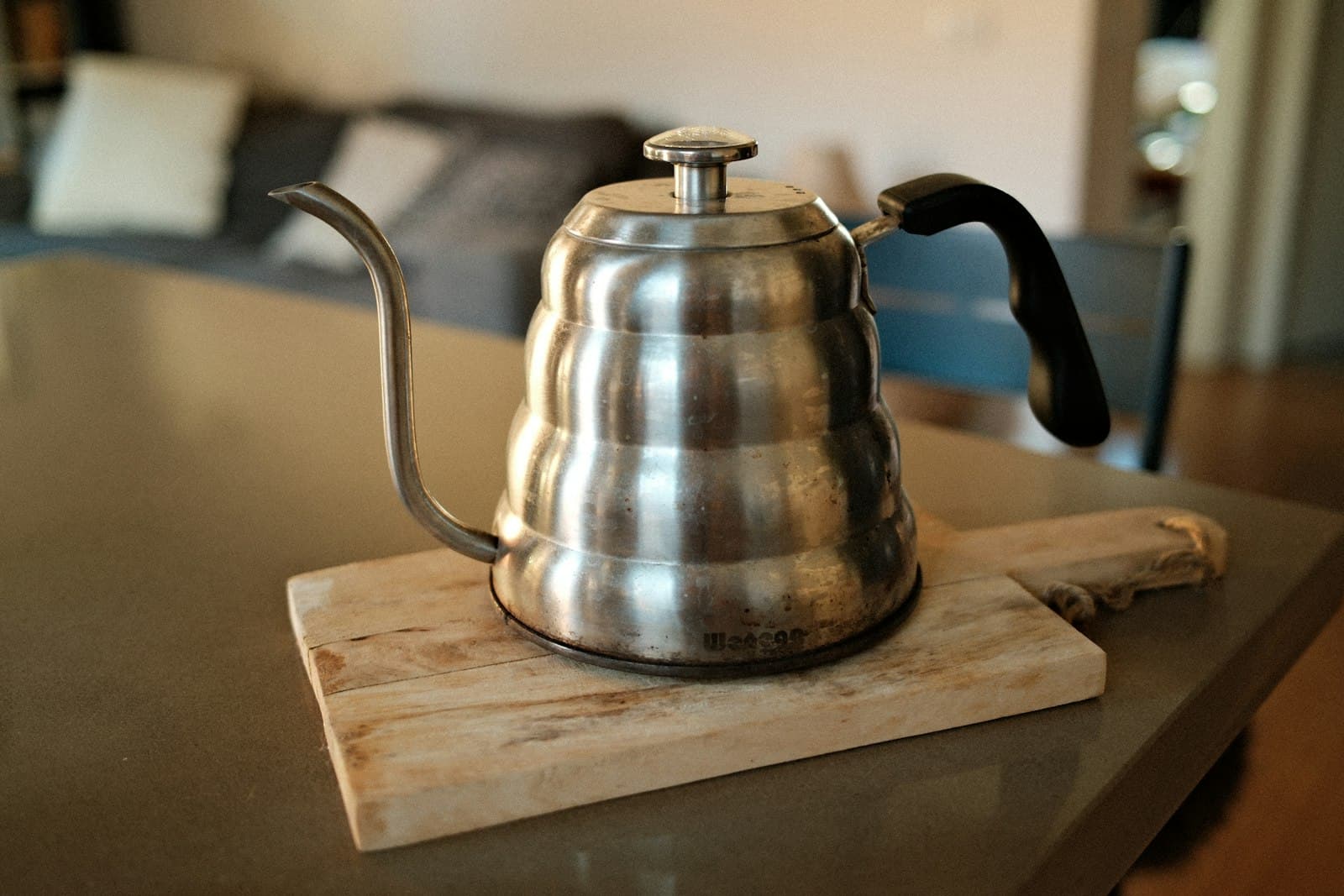
Stovetop gooseneck kettle (sample)
The stovetop gooseneck is the minimal path to real pour control — no outlet, no electronics, and it lives on a burner instead of the counter.
A narrow-spout stovetop kettle that gives beginners real pour control without another appliance on the counter. The slow, steady stream is what makes pour-over technique learnable.
Worth knowing: No temperature readout — you'll need a thermometer or rest time after boiling
Kettles
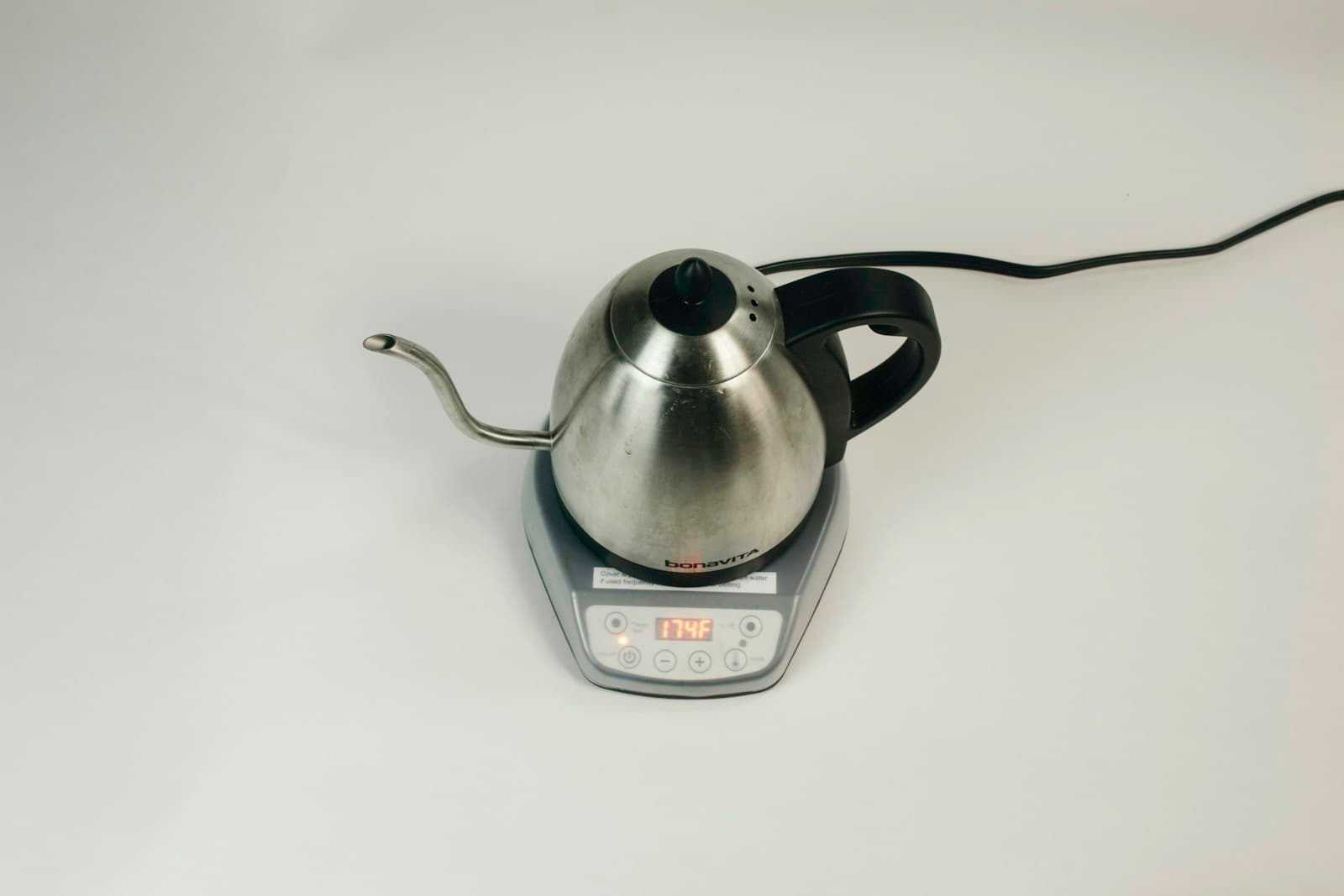
Variable-temperature electric gooseneck kettle (sample)
The variable-temperature electric earns its counter spot once precision matters daily — set the exact temperature, let it hold, and pour on your schedule.
Set an exact water temperature and hold it — the single biggest consistency upgrade for pour-over and tea drinkers who brew daily. Worth it once technique matters to you.
Worth knowing: Takes permanent counter space
Keep reading
Coffee science · intermediate · 5 min
Water Temperature and Extraction: The 90–96°C Window Explained
Too hot scorches, too cool stalls. Why the standard brewing window works, how roast level shifts it, and how to hit it reliably with or without a variable-temperature kettle.
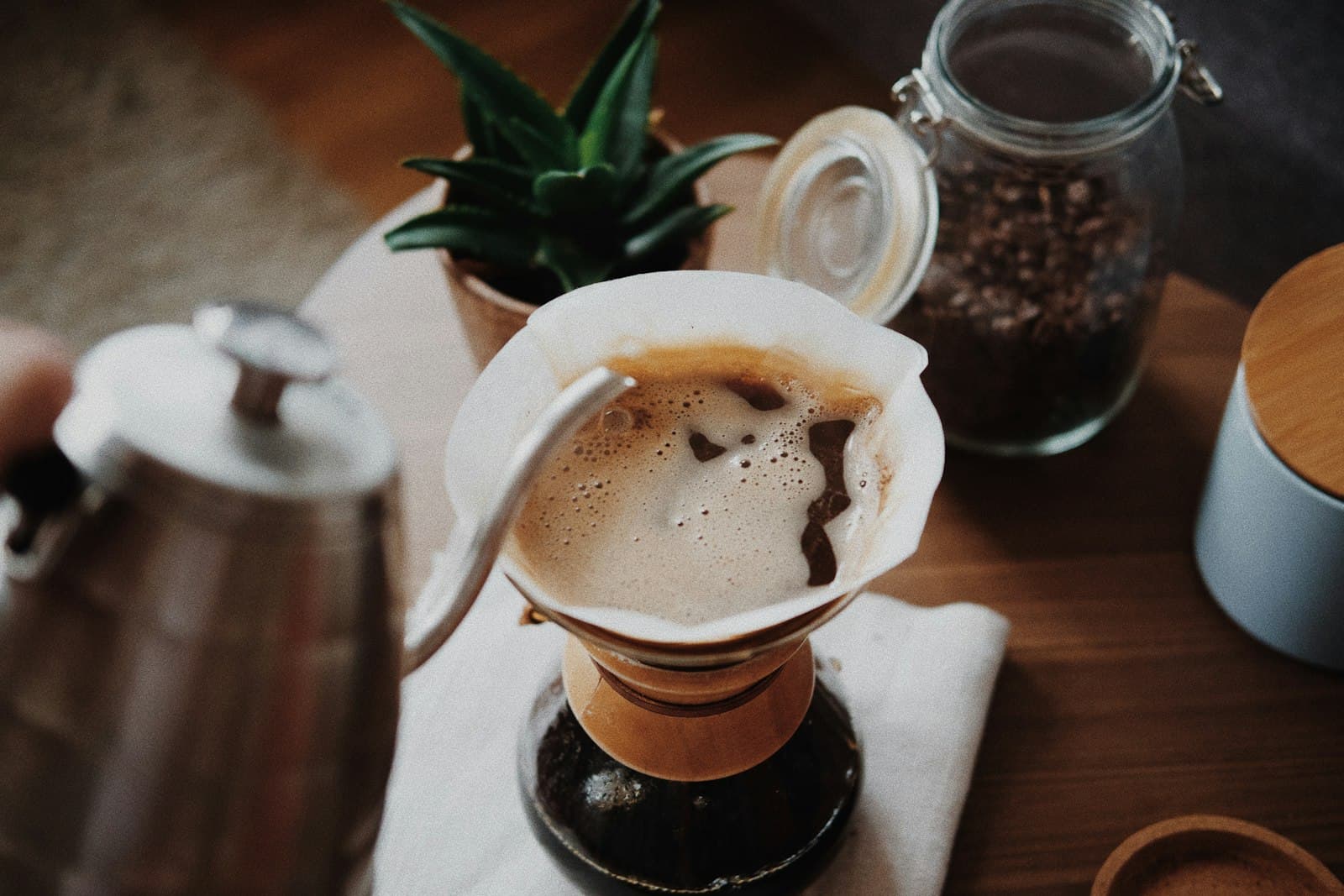
Brew guide · beginner · 5 min
Pour-Over Coffee, Step by Step: A Clean, Bright Cup in Four Minutes
The full pour-over method for a cone dripper: dose, bloom, two pours, and a three-minute finish. Clear numbers for one mug, plus the two adjustments that fix nearly every off cup.
Small spaces · beginner · 4 min
Better Coffee in a Small Kitchen: Big Flavor, Two Square Feet
You don't need counter space to make excellent coffee — you need three small tools and a drawer. A practical plan for apartments, galley kitchens, and anyone whose counter is already spoken for.