Maintenance · beginner · 6 min read
Vinegar vs. Descaler: What Actually Cleans a Coffee Maker
Hard water leaves scale that dulls flavor. Vinegar and a citric-based descaler behave differently, and some manufacturers warn against one of them.
By The Daily Pour Editorial · Reviewed by Editorial Review · Updated 2026-08-13
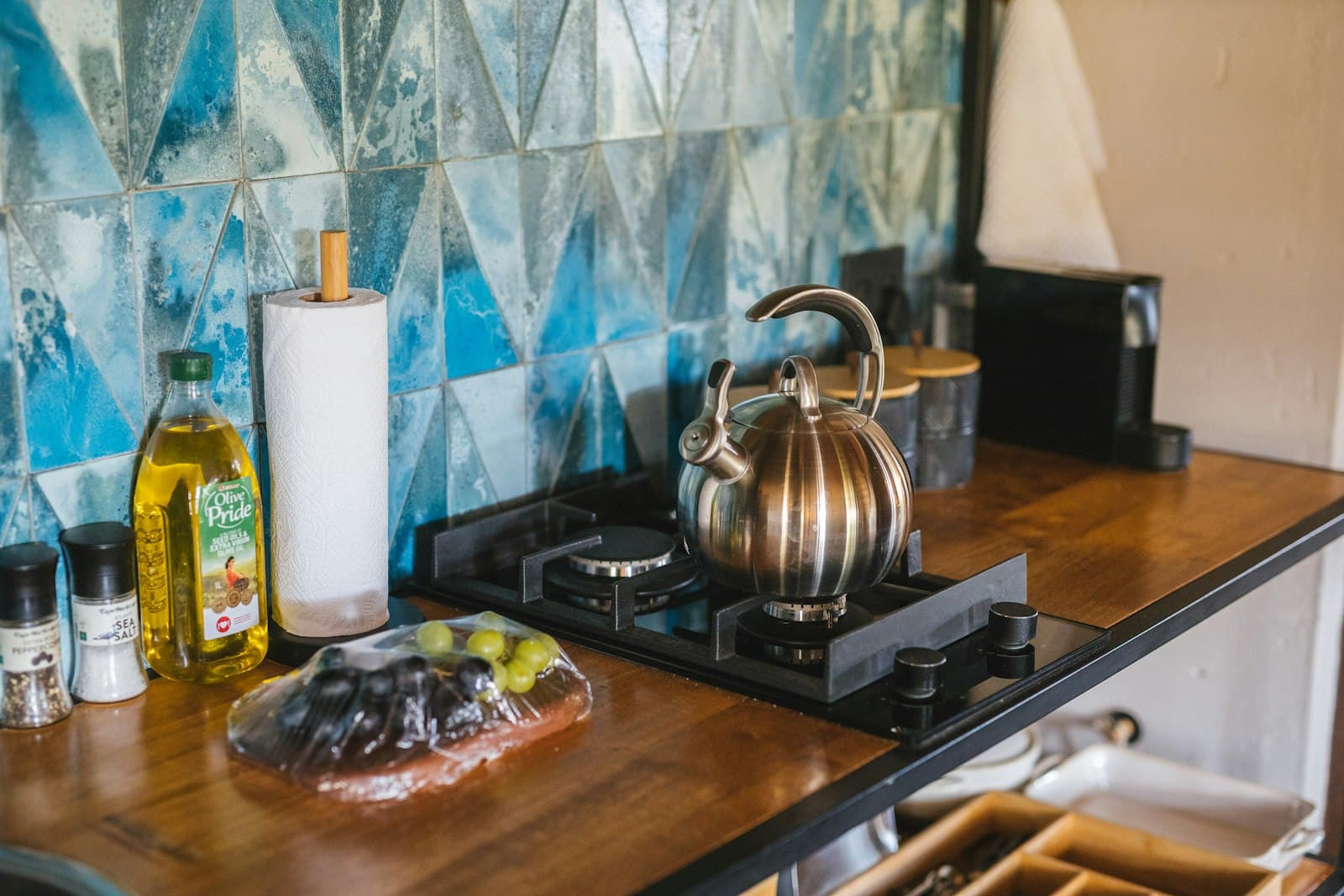
Scale is just hard water minerals, mostly calcium and magnesium, left behind once water heats or evaporates. Every kettle, drip machine, and espresso boiler heats water for a living, so every one of them collects scale eventually. How fast depends entirely on your water. A soft-water house might go a year without noticing. A hard-water house can see a chalky ring inside a kettle within a few weeks.
What scale actually does to your machine
The mineral crust coats heating elements and narrows water paths, and both make the machine work harder to do the same job. Heating slows down first. Then brew temperature drops below the range coffee needs, roughly 90 to 96°C, so a scaled machine can brew coffee that's technically hot but never reached that window. The cup tastes flatter and a little sour, and it's easy to blame the beans instead of the buildup. Left long enough, scale can also stress rubber seals and gaskets from the inside, the same parts a badly chosen cleaning method can also damage.
Vinegar and a citric descaler aren't the same tool
Plain white vinegar is acetic acid, usually around 5%. It dissolves mineral scale well enough, and it's already sitting in most kitchens, so it's the default a lot of people reach for. The tradeoffs are real, though. The smell lingers in a kitchen for an hour or more, and vinegar needs more rinse cycles afterward to clear both the mineral residue and the smell out of the lines. A citric-based descaling solution, the kind sold specifically for coffee machines, dissolves scale a little more thoroughly per cycle, rinses cleaner, and barely smells like anything.
Here's the part that's easy to miss. Several espresso machine and single-serve pod machine manufacturers explicitly warn against vinegar in their manuals. Acetic acid is harder on rubber seals and gaskets than citric acid is, and repeated vinegar cycles in a machine with a pump and pressurized lines can shorten the life of those parts faster than scale would on its own. That's not a marketing claim designed to sell descaler. Check your own manual before reaching for the vinegar bottle.
| White vinegar | Citric-based descaler | |
|---|---|---|
| Cleaning strength | Dissolves scale, but more slowly | Dissolves scale more completely per cycle |
| Rinse cycles needed | Usually two or three | Usually one or two |
| Odor | Strong, lingers in the kitchen | Mild to none |
| Manufacturer warnings | Common on espresso and pod machines | Rarely restricted |
| Cost-per-use framing | Whatever's already in the pantry | A dedicated, recurring purchase |
A basic descaling cycle
Empty the reservoir
Dump any leftover water and remove the water filter if your machine uses one. Some descaling solutions degrade a carbon filter.
Mix the solution
Follow the ratio on your descaler's label, or for vinegar, mix equal parts white vinegar and water.
Run half a brew cycle
Start the machine as if brewing, then stop it partway so the solution sits in the lines and reservoir for 15 to 30 minutes.
Finish the cycle
Let the machine run the rest of the solution all the way through.
Rinse with plain water
Run at least two full cycles of clean water before brewing coffee again. Taste the last rinse. Any vinegar or citrus edge means run one more.
Maintenance
Machine descaling solution
For anything with a boiler, a pump, or a manual that specifically excludes vinegar, a citric-based solution like this is the safer buy. It's a recurring purchase rather than a one-time one, which is the real cost most people forget to budget for.
The unglamorous purchase that keeps kettles, drip machines, and espresso machines tasting clean and heating like they should. Scale buildup is the quiet reason a machine 'used to be better.'
Worth knowing: It's a recurring cost, not a one-time buy
Take the ratios with you
Join the free newsletter and we'll send the brew ratio cheat sheet, a printable one-pager with ratios, grinds, and times for eight methods.
Keep reading
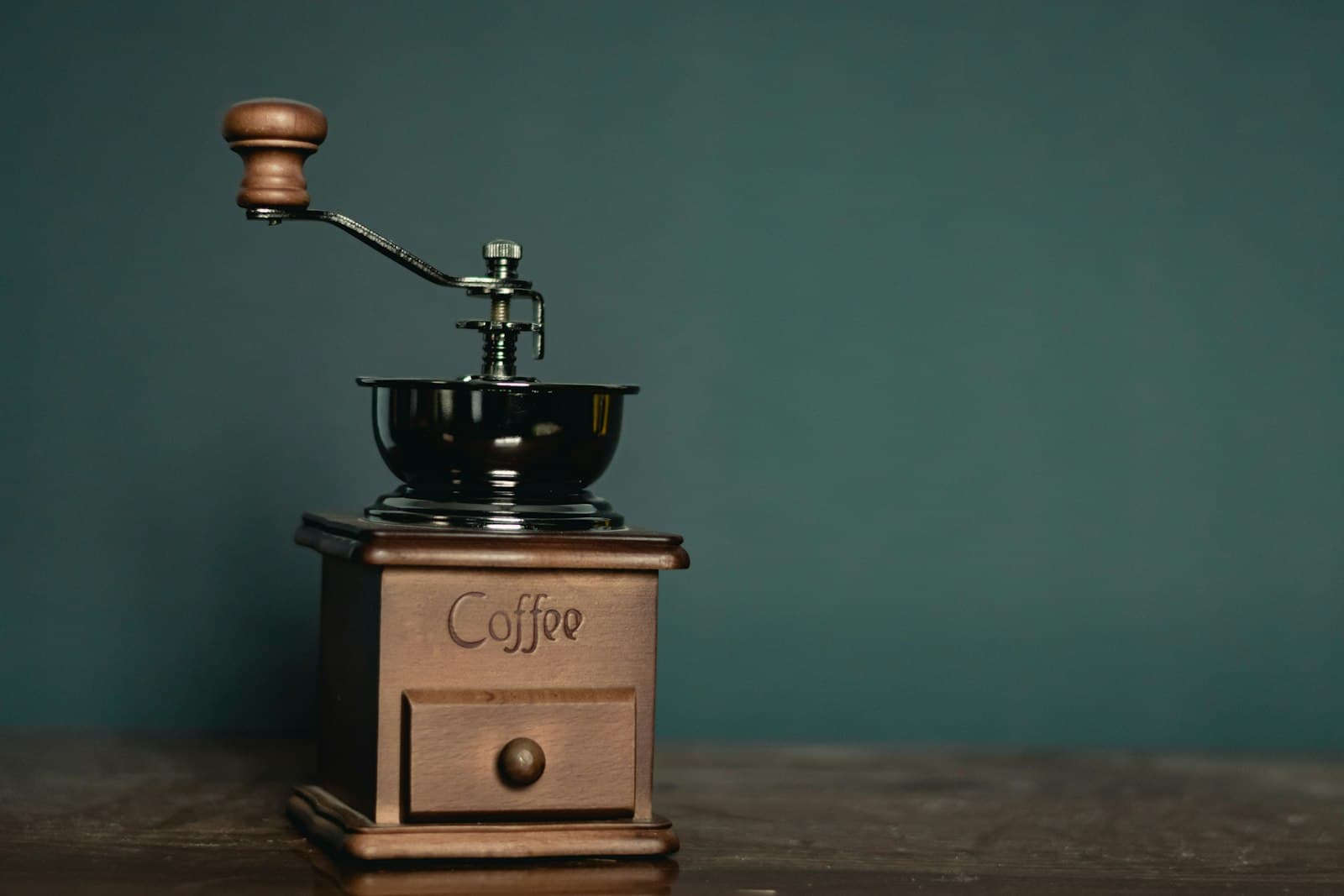
Maintenance · beginner · 4 min
How to Clean a Coffee Grinder (Burr or Blade), No Tools
Stale oils and trapped fines quietly ruin fresh beans. A five-minute monthly brush-out keeps burr and blade grinders tasting new, no water or tools needed.
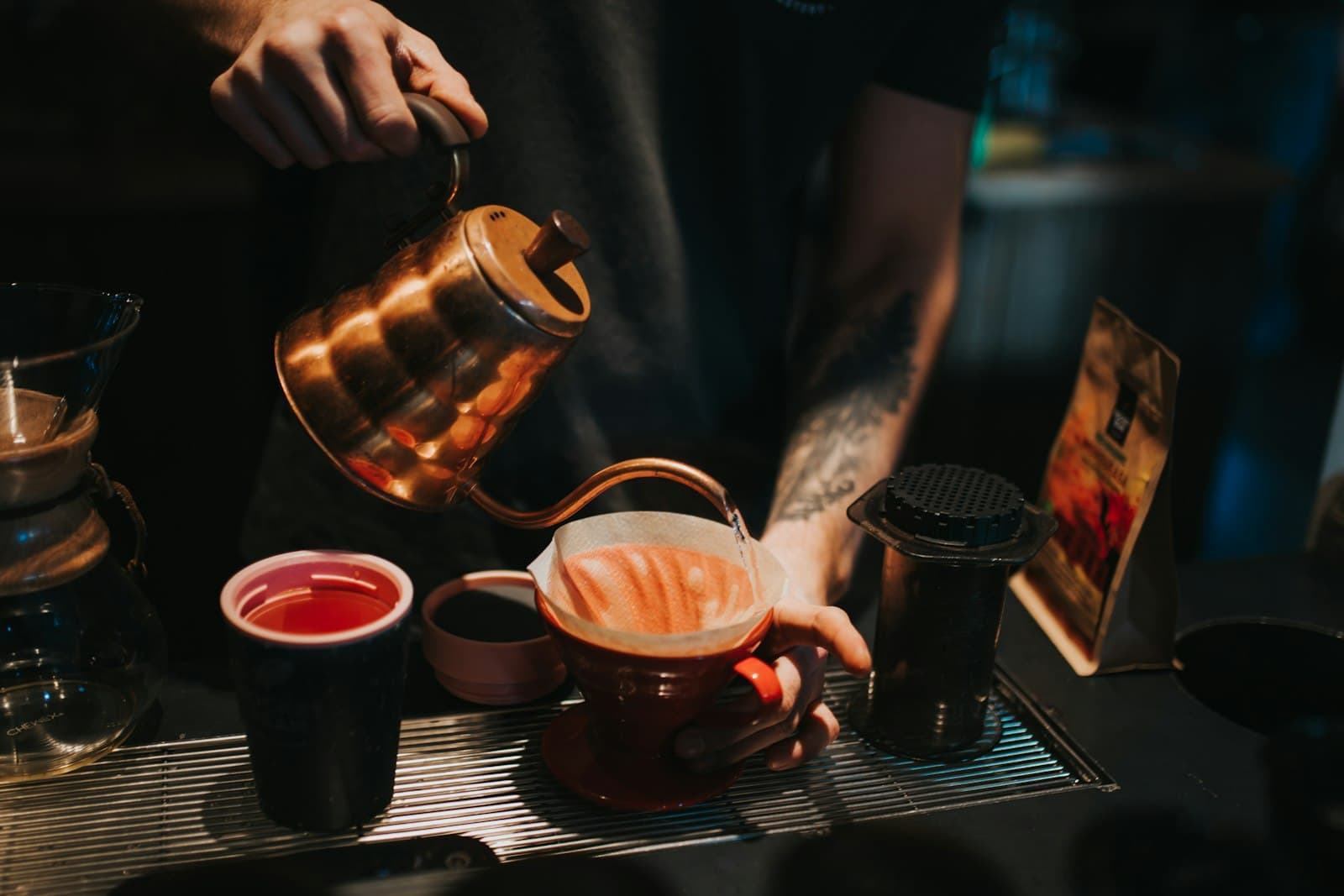
Technique · beginner · 5 min
How to Improve Automatic Drip Coffee Without a New Machine
Your drip machine is probably fine, its inputs aren't. Five upgrades, starting with fresh-ground beans, that improve drip coffee more than a new machine.
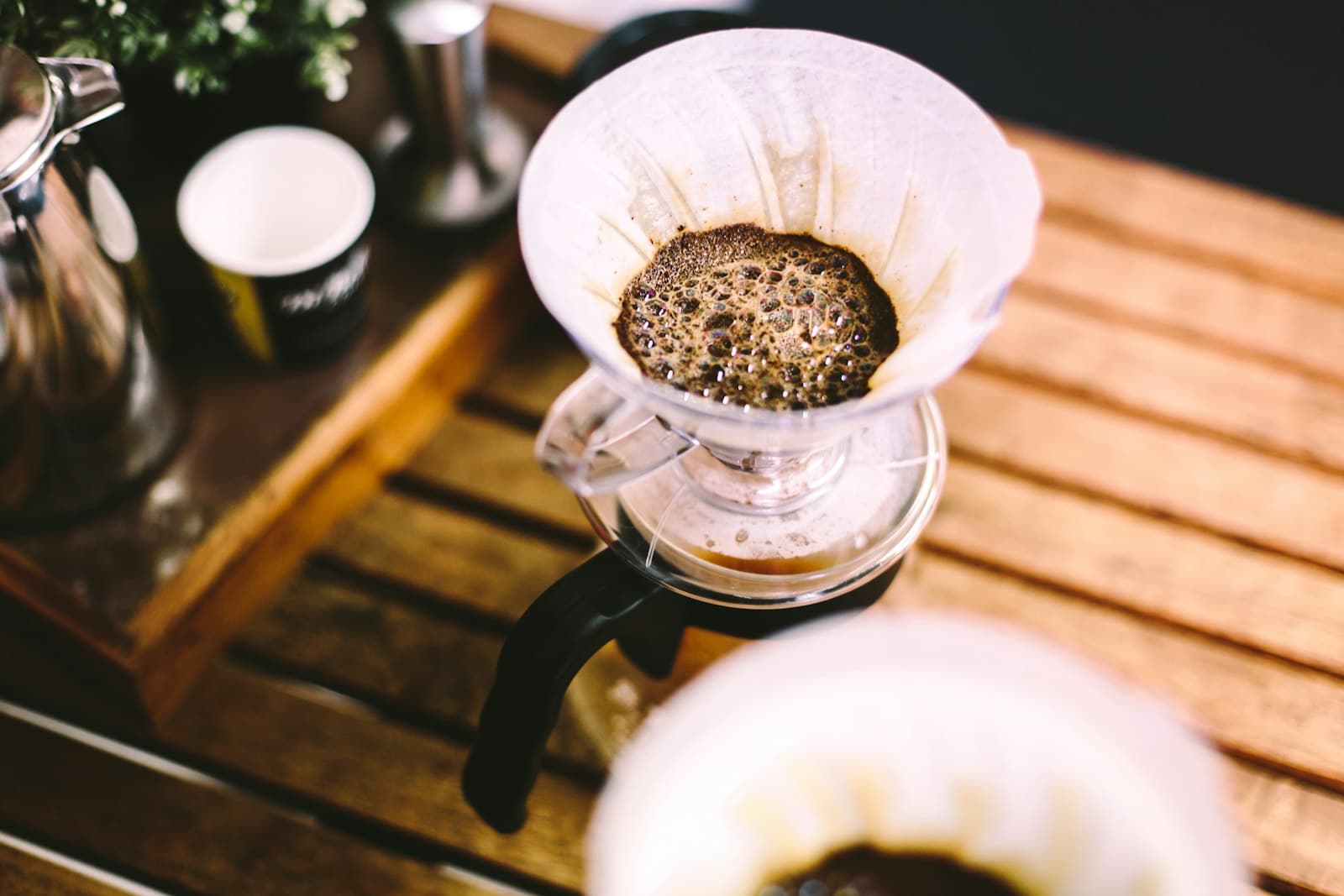
Brew guide · beginner · 4 min
How to Use a Drip Coffee Maker for a Pot Worth Waking Up To
Drip coffee tips that treat the machine like a brewer: dose by weight, grind fresh, mind the water, and keep the pot off the hot plate.