Comparison · beginner · 5 min read
French Press vs Pour-Over: Which Fits Your Mornings?
Rich and effortless, or clean and hands-on? The honest differences in cup character, effort, capacity, and cleanup — and a simple way to decide which brewer belongs on your counter.
By The Daily Pour Editorial · Reviewed by Editorial Review · Updated 2026-07-12

These two brewers sit at opposite ends of the same spectrum. The French press steeps grounds directly in water and pushes them aside with a metal mesh — everything the coffee has, including its oils and fine particles, lands in your cup. Pour-over passes water through a paper filter, catching oils and sediment for a lighter, clearer result. Neither is better; they're different drinks.
Where each one wins
The press wins on ease and quantity: no technique, no timing finesse beyond a four-minute wait, and a full liter for the table. Pour-over wins on clarity and control: the paper filter shows off a coffee's brighter, more distinct flavors, and every variable is yours to adjust. The press asks nothing and forgives everything; the cone asks four attentive minutes and rewards them.
| French press | Pour-over cone | |
|---|---|---|
| Cup character | Heavy body, rich, some sediment | Clean, bright, distinct flavors |
| Capacity | Up to 1 L — serves several | Typically 1–2 cups per brew |
| Active effort | Two minutes, no technique | About four attentive minutes |
| Cleanup | Messiest of any method | Lift out filter, quick rinse |
| Counter space | Small footprint, stores anywhere | Nests on a mug, drawer-friendly |
| Experience level | Beginner-proof | Beginner-friendly, skill-rewarding |
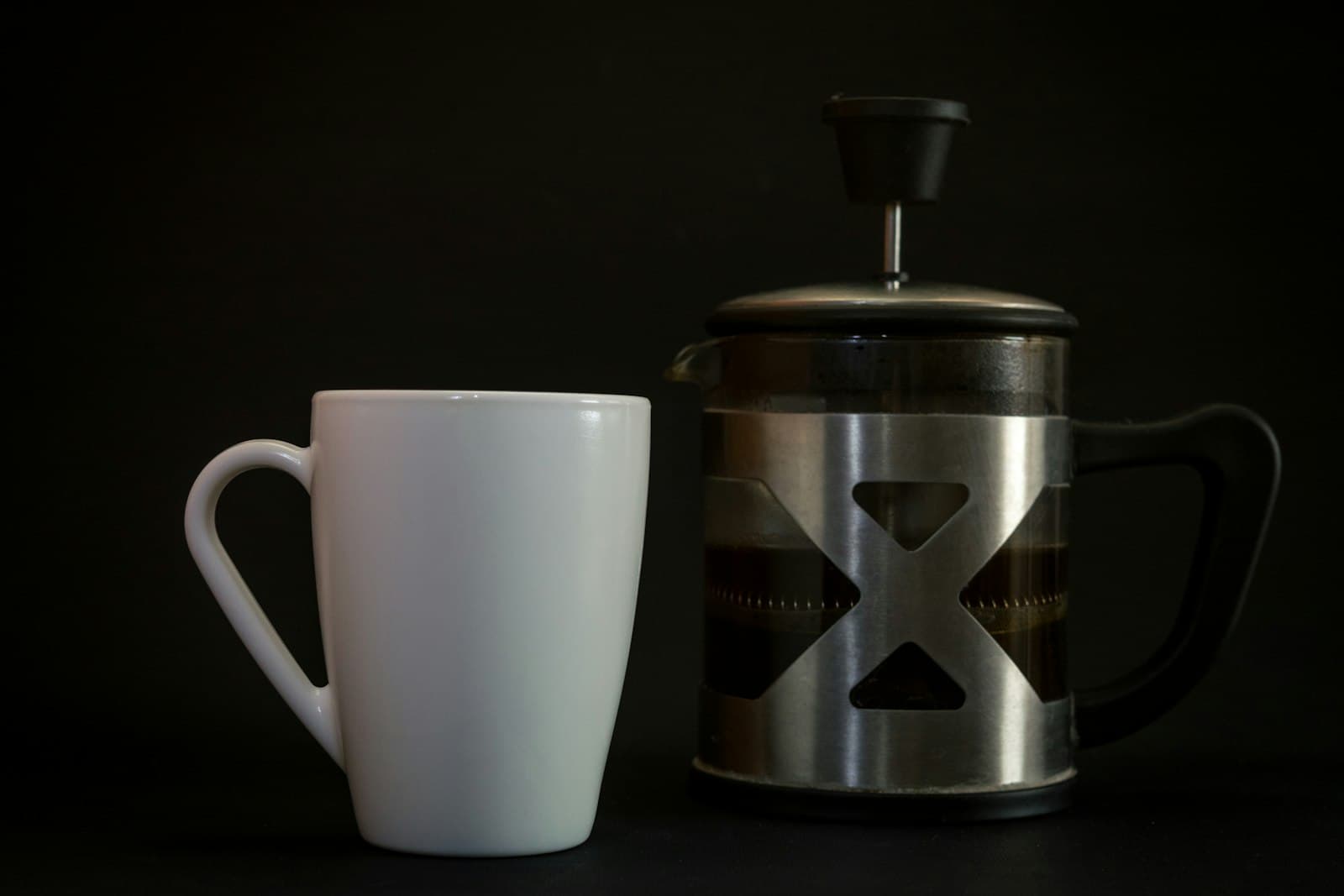
Immersion brewers
Classic 34 oz French press (sample)
A classic 1-liter glass press covers the whole household side of this comparison — rich coffee for three mugs with nothing to learn.
Zero technique, rich full-bodied coffee, and capacity for three mugs at once. The French press forgives almost every mistake except leaving the coffee sitting on the grounds.
Worth knowing: Sediment in the cup
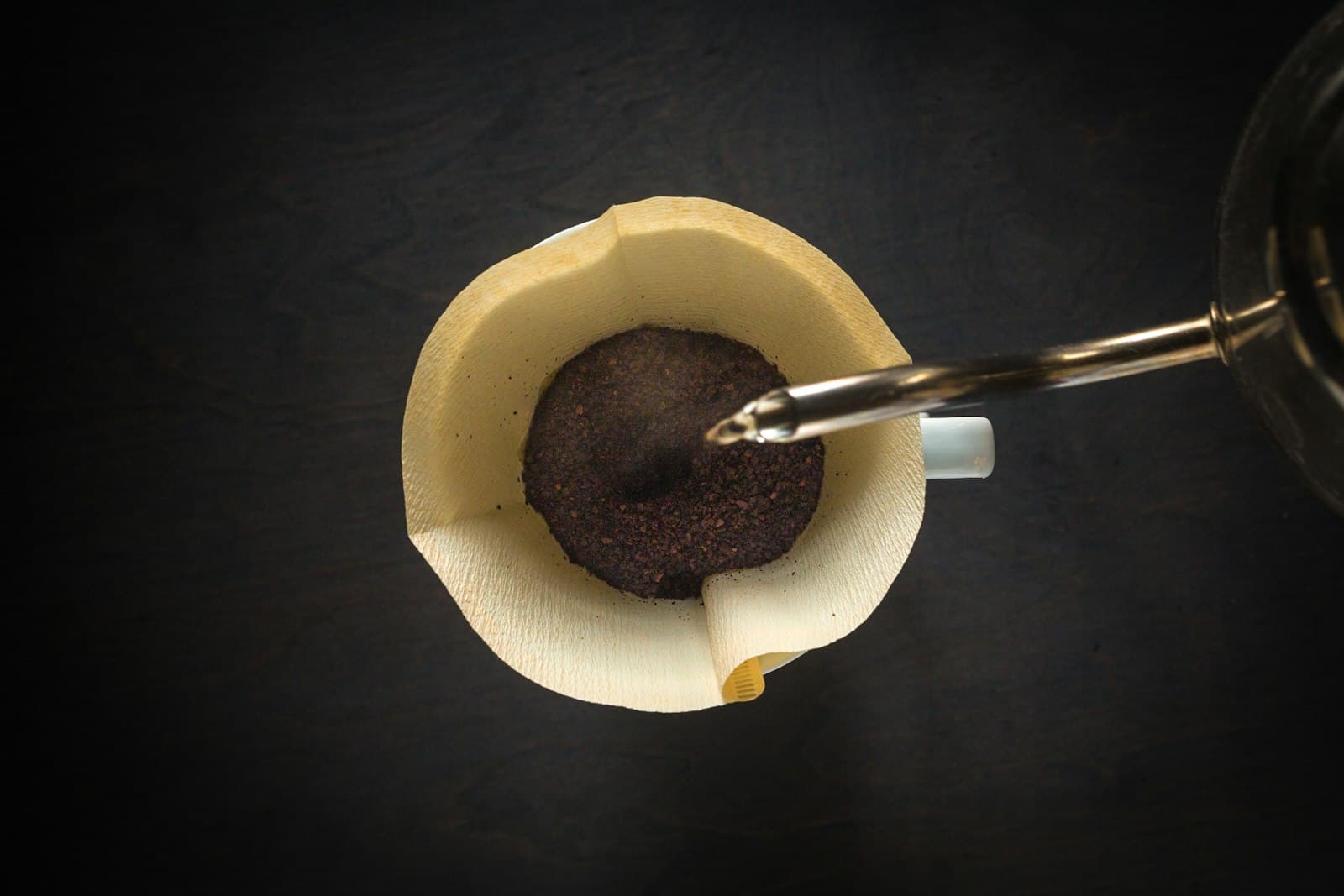
Pour-over
Ceramic cone dripper (sample)
On the pour-over side, a ceramic cone is the simplest way in: it nests on a mug, holds heat well, and needs only paper filters and a careful pour.
A spiral-ribbed ceramic cone that brews one excellent cup with nothing but filters and hot water. Ceramic holds heat better than plastic, at the cost of being breakable.
Worth knowing: Breakable
A great fit if you…
- Press: households pouring multiple mugs at once
- Press: anyone who wants richness without ritual
- Pour-over: solo drinkers who enjoy the process
- Pour-over: fans of lighter roasts and clear flavors
Probably skip it if you…
- Press, if sediment in the cup genuinely bothers you
- Pour-over, if your weekday mornings have no spare minutes
Keep reading
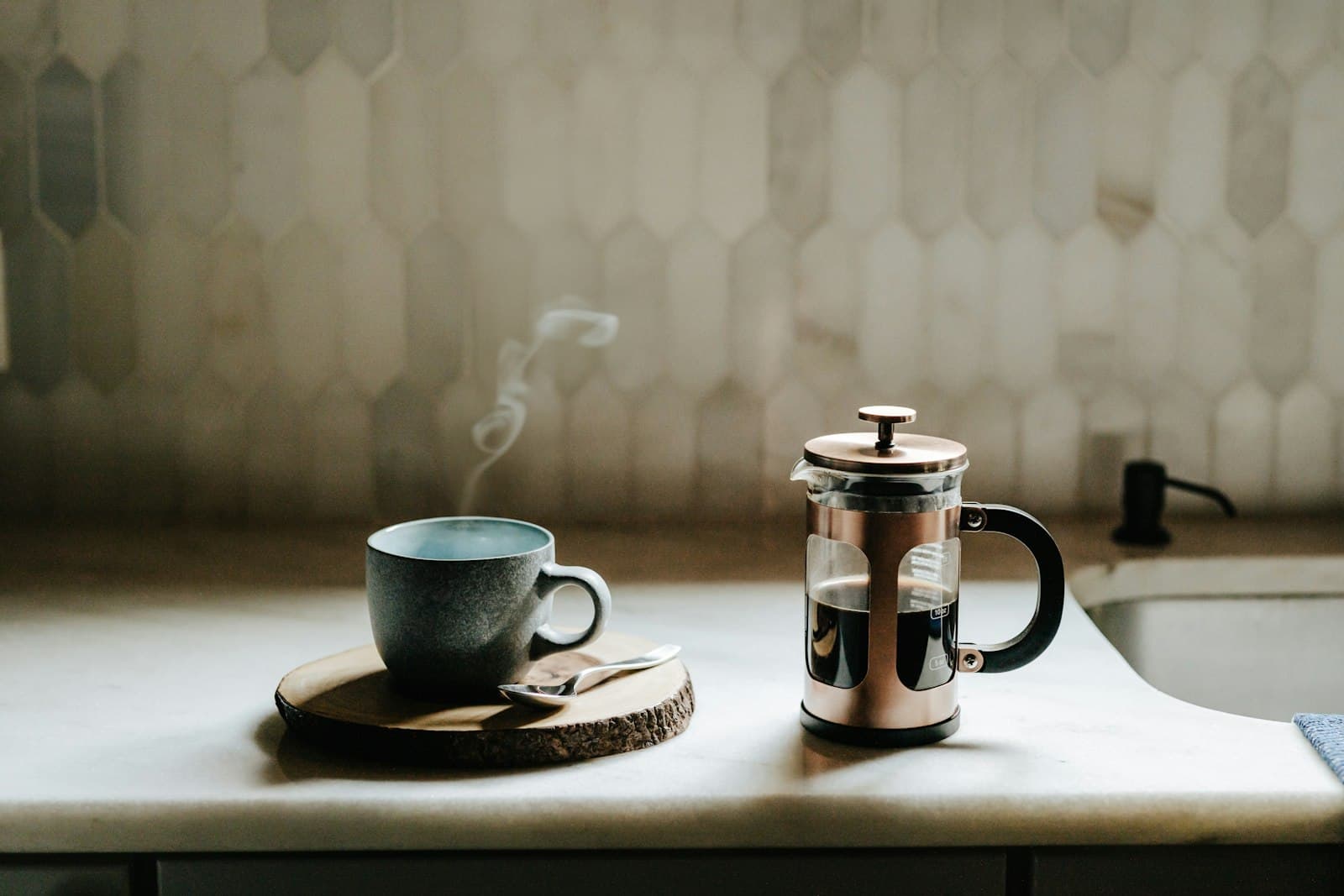
Brew guide · beginner · 4 min
French Press Coffee, Step by Step: Rich, Foolproof, and Ready in 5 Minutes
The most forgiving brew method there is: coarse grounds, hot water, four minutes, plunge. The full technique, the one habit that prevents bitterness, and how to get a cleaner cup without new gear.
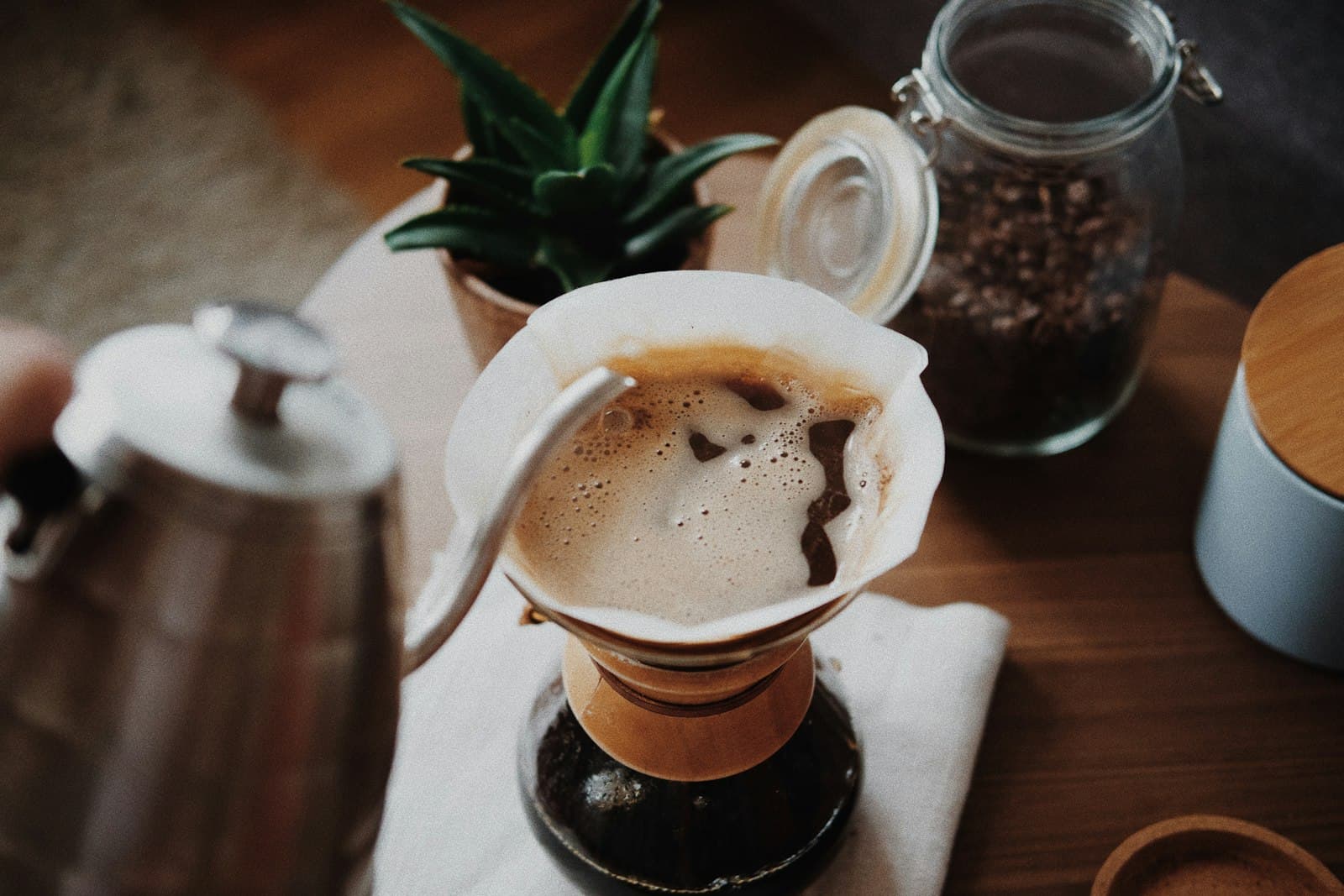
Brew guide · beginner · 5 min
Pour-Over Coffee, Step by Step: A Clean, Bright Cup in Four Minutes
The full pour-over method for a cone dripper: dose, bloom, two pours, and a three-minute finish. Clear numbers for one mug, plus the two adjustments that fix nearly every off cup.
Getting started · beginner · 5 min
How to Choose a Home Brewing Method You'll Actually Stick With
Pour-over, press, drip, moka, cold brew — the right method depends on your mornings, not on what looks impressive. Here's how to match a brewer to your routine in five honest questions.