Comparison · beginner · 5 min read
Ceramic Cone or Glass Carafe Set? Pick Your Pour-Over
One ceramic cone brews a single excellent cup. One glass carafe set brews two to four at once. Capacity, filters, and cleanup decide which pour-over dripper is actually yours.
By The Daily Pour Editorial · Reviewed by Editorial Review · Updated 2026-08-20
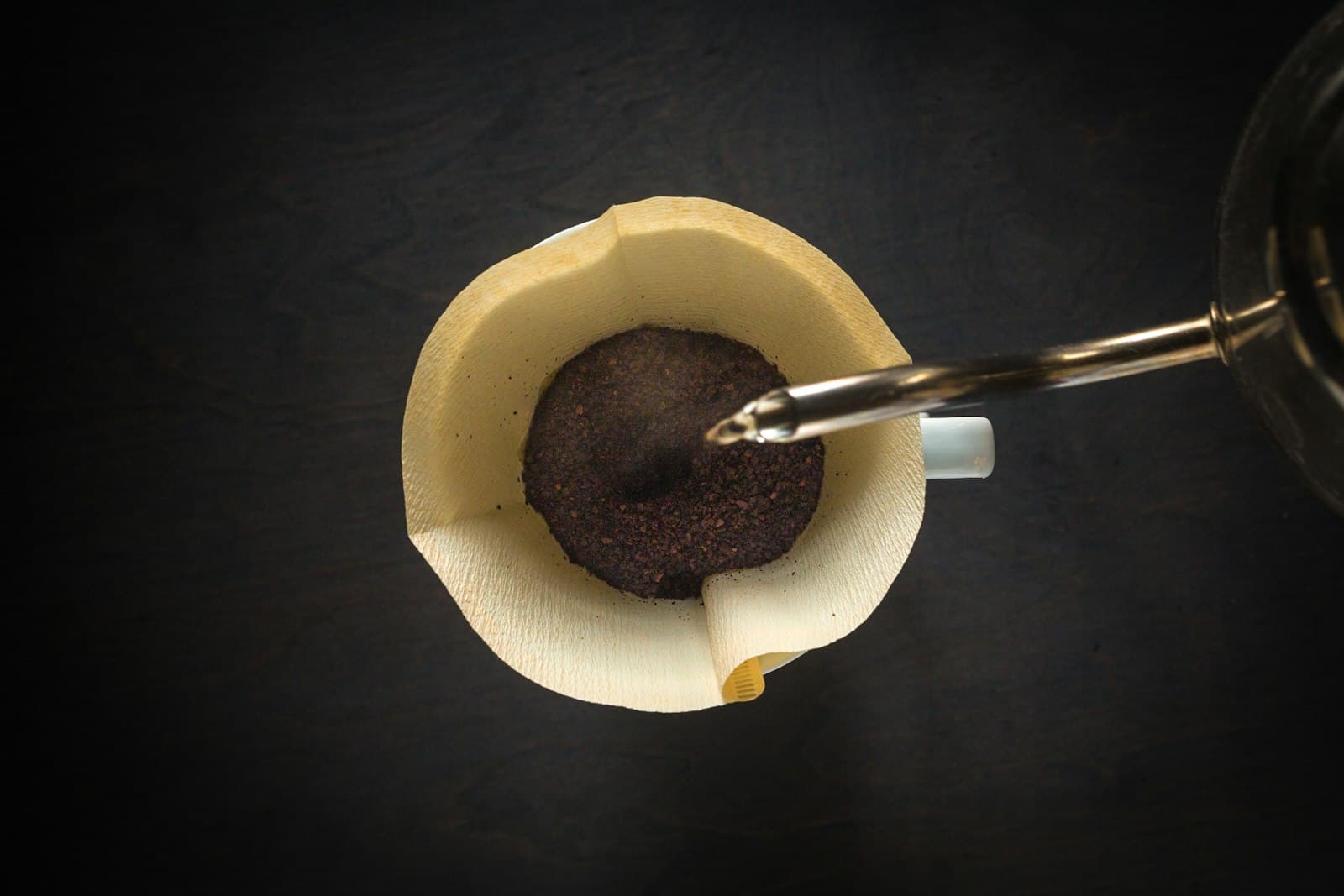
Both of these are pour-over drippers, and both use a paper filter and a slow, controlled pour. The difference that actually matters is what happens underneath the cone. A ceramic dripper nests directly on a single mug, so it brews exactly one cup and nothing more. A glass dripper-and-carafe set sits on its own vessel below the cone, and that vessel holds enough for two to four cups in one pour. Pick the cone for a solo cup. Pick the carafe set for a table.
Capacity is really the whole decision
The ceramic cone brews 1 to 2 cups and that's a hard ceiling, not a suggestion. Ask it to stretch further and the bed of grounds gets too deep for water to pass through evenly, so the cup turns muddy or weak in patches. The carafe set's 600 ml vessel covers 2 to 4 cups from a single brew, which means one pour serves two people or refills one person twice. If you live alone and drink one cup most mornings, that extra capacity just sits unused on the shelf.
| Ceramic cone dripper | Glass dripper and carafe set | |
|---|---|---|
| Cup character | Clean and bright, one cup | Clean and bright, scales to a pour for two |
| Capacity | 1–2 cups per brew | 600 ml, about 2–4 cups per brew |
| Filter cost | Standard cone filters, widely stocked | Its own filter size, so check the fit before ordering |
| Cleanup | Lift the filter, quick rinse, dishwasher-safe | Rinses clean fast, one extra piece (the collar) to dry |
| Counter space | None, nests on a mug and stores in a cupboard | Small, but it's a two-piece set that lives on a shelf |
| Experience level | Beginner to intermediate | Intermediate |
Pour-over
Ceramic cone dripper
The spiral-ribbed ceramic cone suits a solo drinker who wants one genuinely good cup with almost nothing to store or wash. It holds heat through the brew better than plastic ever does. The honest limitation: it's ceramic, so a sink fumble ends its life, and it cares how you pour, meaning pacing takes some practice before the cup tastes right every time. It earned its spot here as the simplest, cheapest way into real pour-over.
A spiral-ribbed ceramic cone that brews one excellent cup with nothing but a filter and hot water. Ceramic holds heat better than plastic; the trade is that one sink fumble can end it.
Worth knowing: It's ceramic, so it breaks
Pour-over
Glass dripper and carafe set
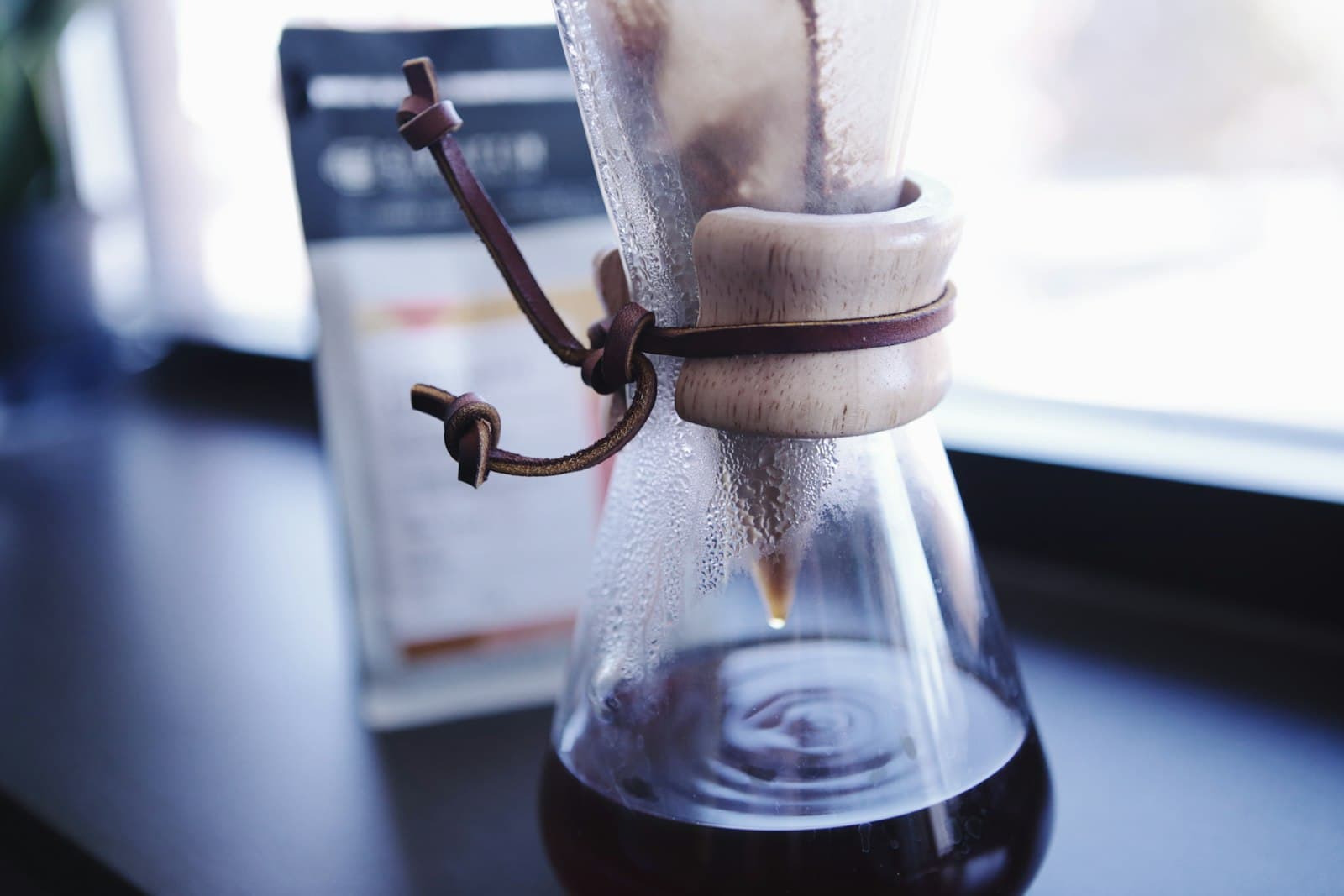
The glass dripper-and-carafe set suits anyone brewing for two, or a solo drinker who wants a second cup without starting over. Watching the bloom through glass is a nice bonus on a slow weekend morning. The honest limitation: it's glass, so it demands more care at the sink than ceramic, and it takes its own filter size, so you'll want to confirm that before you order refills. It earned its spot as the household answer to the same brew method.
A cone-and-carafe pair that brews two to four cups at once, which makes it the pour-over answer for households. The glass looks great on a shelf, and you get to watch the bloom while you brew.
Worth knowing: Glass, so it demands some care
A great fit if you…
- Ceramic cone: solo drinkers who want one cup and minimal cleanup
- Ceramic cone: small kitchens with no spare shelf space
- Carafe set: two-person households brewing together
- Carafe set: weekend hosts who want to pour more than one cup at once
Probably skip it if you…
- Ceramic cone, if you regularly need to serve more than one person
- Carafe set, if hand-washing glassware every morning isn't going to happen
Take the ratios with you
Join the free newsletter and we'll send the brew ratio cheat sheet, a printable one-pager with ratios, grinds, and times for eight methods.
Keep reading
Brew guide · beginner · 5 min
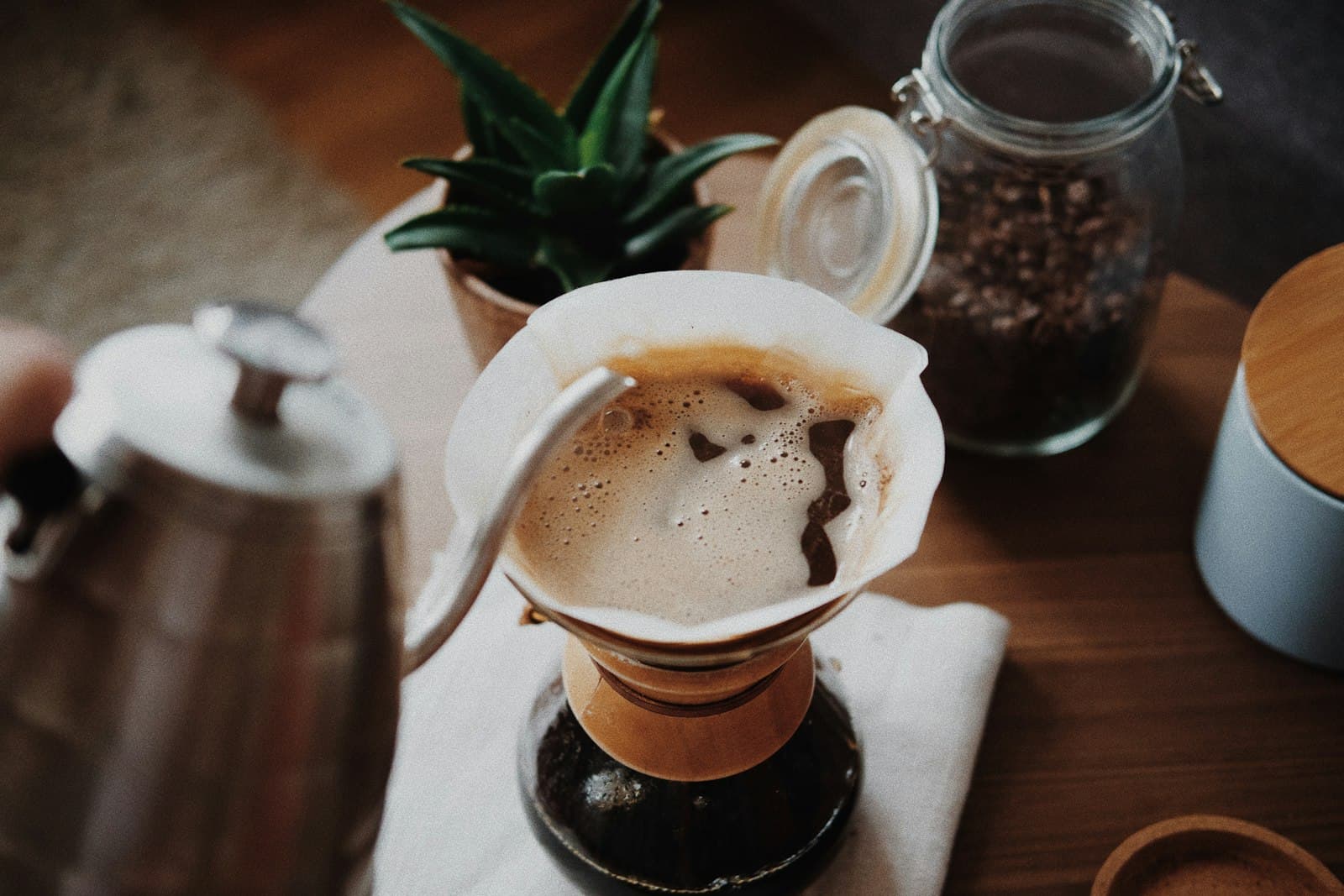
How to Make Pour-Over Coffee in a Cone Dripper (Fast Fixes)
A pour-over guide with real numbers: 20 g coffee, 320 g water, a 40-second bloom, done near three minutes, plus the two grind fixes for an off cup.
Getting started · beginner · 5 min
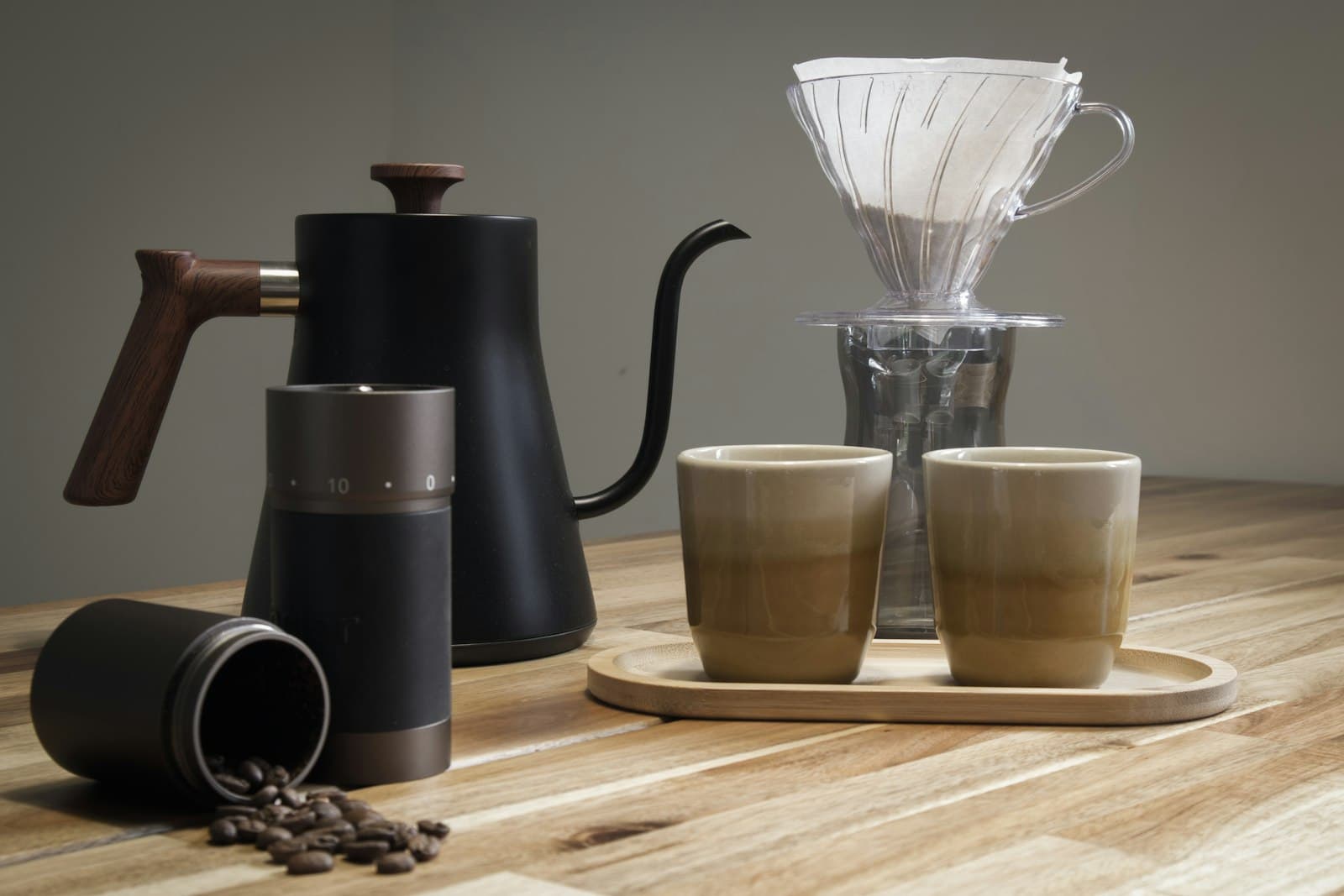
How to Choose a Coffee Brewing Method You'll Stick With
The best brew method for beginners fits your mornings. Five questions to help you choose between pour-over, French press, drip, moka pot, and cold brew.
Getting started · beginner · 4 min
The Coffee to Water Ratio Explained: Why 1:16 Works
One gram of coffee to sixteen grams of water is the reliable coffee to water ratio. How to scale it to any mug, and when to bend it stronger or lighter.